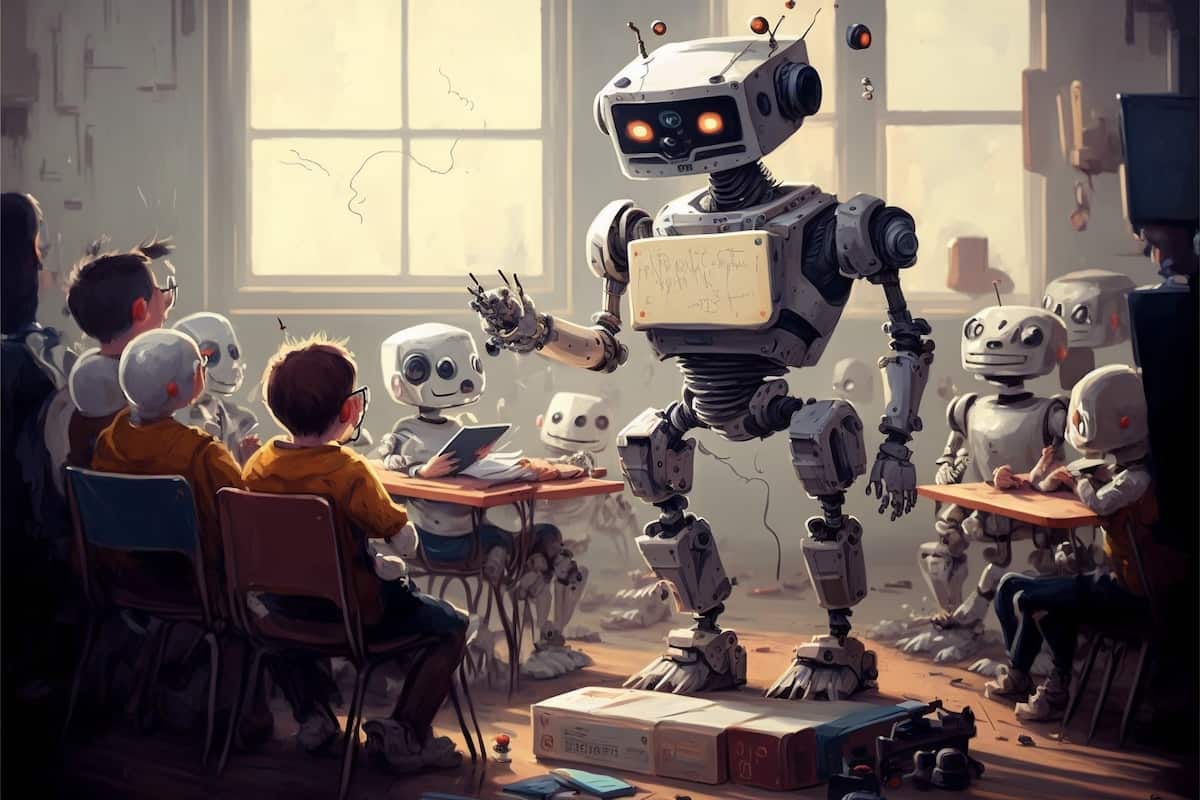
The ongoing conversation surrounding AI art is one that is both polarizing and complex. Views collide, and the debate is filled with passionate voices on both sides. While it is natural to feel apprehensive about the potential impact of AI on our creative abilities, it is important to examine the issue from multiple perspectives.
There is certainly a valid concern that technology could supplant the unique talents and perspectives that humans bring to the creative process. However, if we approach AI art with an open mind and embrace its potential to enhance and amplify our own artistic vision, it can become an invaluable tool for unlocking our full creative potential.
The evolution of technology has always played a significant role in shaping the creative landscape, from the renaissance masterpieces to the advent of digital art in the 20th century, artists have always adapted to new technologies to enhance their creative output.
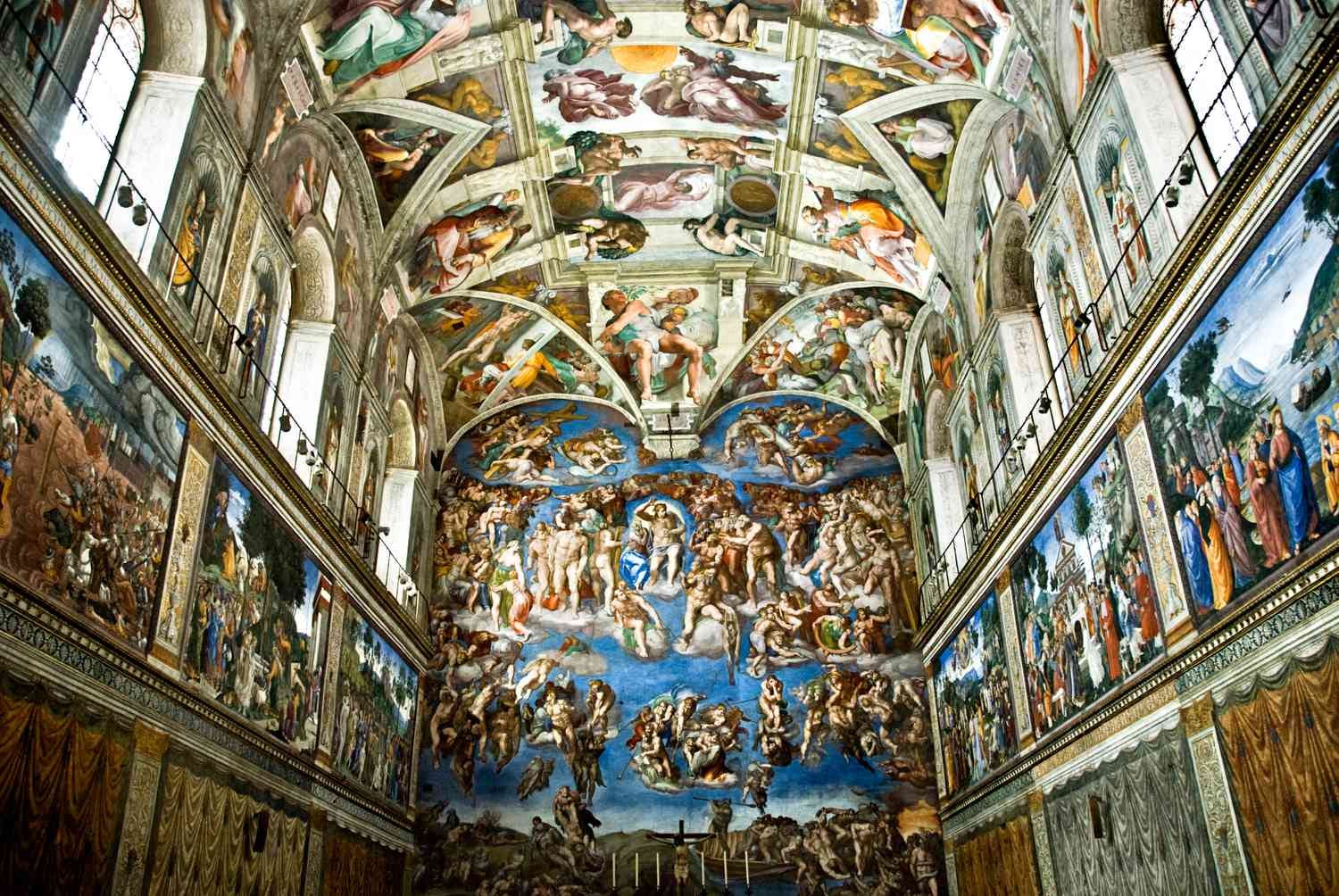
Michelangelo’s Sistine Chapel ceiling is one of the most influential artworks of all time and a foundational work of Renaissance Art. Painted directly on the ceiling of the Sistine Chapel in the Vatican, the masterpiece depicts key scenes from the Book of Genesis.
However, with the advent of AI can generate art on its own, the creative industry is on the cusp of a technological breakthrough. The integration of artificial intelligence into our design workflow is happening faster than we can keep up with, as it is more and more performing daily tasks that were once the sole domain of designers, creating a divide between those who welcome the technology and those who reject or fear it.
When presented with a new challenge or change, the human brain naturally responds with either resistance or acceptance. For designers, the introduction of new technology presents a similar crossroads. We must choose between embracing these changes and integrating them into our workflow or sticking to the tried and true methods of the past.
So probably the question on everyone’s mind is — what does this mean for the future of art? Is it something to be feared? Perhaps. But should we be optimistic? Absolutely.
The decision ultimately comes down to the individual designer and our willingness to adapt to new ideas and approaches in our work.
Listen to what Don Norman, the master of UX design himself, had to say about AI and its impact on the future.
[Listen to what Don Norman, the master of UX design himself, had to say about AI and its impact on the future. You can watch the full Master Class on Interaction Design Foundation’s website.](https://youtu.be/_lSwbztRcD8)
Listen to what Don Norman, the master of UX design himself, had to say about AI and its impact on the future. You can watch the full Master Class on Interaction Design Foundation’s website.